
Horoscope Matching
Introduction
Marriage is one of the most sacred bonds in human life — a union not just of two individuals but of two souls, families, and destinies. In Vedic astrology, this union is guided by an ancient practice known as Horoscope Matching, also called Kundli Milan.
Horoscope matching helps determine the compatibility between two people before marriage by analyzing their birth charts (kundlis). It’s not about superstition; it’s about understanding how the stars and planetary positions influence relationships, emotions, and long-term harmony.
If you’ve ever wondered why horoscope matching is important, how it works, and what it reveals, this complete beginner’s guide is for you.
What Is Horoscope Matching?
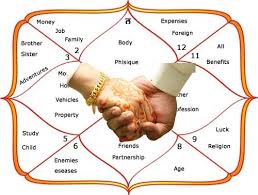
Horoscope matching, or Kundli Milan, is the process of comparing the horoscopes (birth charts) of a prospective bride and groom to assess their compatibility for marriage.
Each person’s Kundli is a detailed map of the sky at the time of their birth — showing planetary positions, zodiac signs, and houses. Astrologers study these details to determine how the energies of both individuals align with each other.
In simple terms, horoscope matching predicts how well two people’s personalities, emotions, and destinies will blend after marriage.
Why Is Horoscope Matching Important in Marriage?
Marriage is not just about love and attraction — it’s about understanding, patience, and shared destiny. Horoscope matching helps ensure that two people can live together in peace, health, and prosperity.
Here are the key reasons it’s considered essential in Indian culture:
-
Compatibility Check: It assesses physical, emotional, and spiritual compatibility between partners.
-
Harmonious Relationship: Helps identify areas of strength and potential conflict in marriage.
-
Health and Longevity: Certain planetary combinations reveal information about the couple’s well-being and marital longevity.
-
Financial Stability: It indicates whether both partners will experience prosperity together.
-
Family Harmony: Ensures compatibility between families and smooth adjustment post-marriage.
In short, horoscope matching acts as a cosmic compatibility test that can help couples begin their journey with confidence and balance.
How Horoscope Matching Works
The process of horoscope matching involves analyzing several key aspects of both individuals’ birth charts. The most popular and trusted method is Ashta Koota Milan — an eight-factor compatibility system used in Vedic astrology.
Let’s understand each Koota in detail:
1. Varna (Spiritual Compatibility)
Represents the spiritual and ego compatibility between partners. It’s based on the four varnas — Brahmin, Kshatriya, Vaishya, and Shudra. The groom’s varna should ideally be higher or equal to the bride’s for balance.
2. Vashya (Dominance and Control)
This factor indicates the power dynamics between the couple — who influences whom in the relationship. Mutual respect and balance here ensure a healthy emotional bond.
3. Tara (Birth Star Compatibility)
It examines how the birth stars (nakshatras) of both partners interact, revealing the health and fortune of the relationship.
4. Yoni (Physical Compatibility)
Yoni matching focuses on physical and sexual compatibility. It’s crucial for intimacy and long-term satisfaction in marriage.
5. Graha Maitri (Mental Compatibility)
This Koota measures the intellectual and emotional understanding between partners — vital for effective communication and companionship.
6. Gana (Behavioral Compatibility)
Divides personalities into Deva (divine), Manushya (human), and Rakshasa (demonic) categories. It helps predict temperament and how the couple handles conflicts.
7. Bhakoot (Love and Prosperity)
Bhakoot assesses how the planetary positions of both partners influence their emotional connection, wealth, and overall marital happiness.
8. Nadi (Health and Genetics)
The most important factor, Nadi indicates health and hereditary compatibility. If both partners have the same Nadi, it can cause health or childbirth issues — known as Nadi Dosha.
Each Koota has specific points (called Gunas) assigned to it. The total score out of 36 Gunas decides compatibility.
-
Above 30 points: Excellent match
-
25–30 points: Good match
-
18–24 points: Average match
-
Below 18 points: Not recommended for marriage
This scoring helps astrologers and families make informed decisions based on cosmic alignment.
Doshas in Horoscope Matching
Sometimes, certain planetary positions create Doshas or imbalances that can affect marital harmony. The two most commonly discussed doshas are:
1. Mangal Dosha (Kuja Dosha)
Caused by the presence of Mars in specific houses in the birth chart. It can lead to aggression, misunderstandings, or conflicts in marriage.
Remedies: Fasting on Tuesdays, Hanuman puja, or marrying another Manglik partner can help balance this dosha.
2. Nadi Dosha
Occurs when both partners have the same Nadi. It may lead to health or childbirth issues.
Remedies: Performing Nadi Dosha Nivaran Puja or considering other positive factors in the chart can neutralize its effects.
While these doshas may sound worrying, modern astrology focuses on remedies and balance — not fear. A professional astrologer always looks at the overall chart harmony before giving a final verdict.
Modern Perspective: Science Meets Spirituality
In today’s time, many people see horoscope matching as a blend of tradition and logic. While it’s rooted in spirituality, its essence lies in understanding human psychology and compatibility.
Astrologers today combine Vedic astrology with modern analytics and AI-based horoscope tools to make the process faster and more precise.
Online platforms now allow couples to generate digital Kundli reports that analyze gunas, doshas, and compatibility scores instantly — making ancient wisdom more accessible to modern couples.
Common Myths About Horoscope Matching
Let’s bust a few misconceptions:
-
Myth: A low Guna score means marriage will fail.
Truth: Overall chart compatibility, dosha balance, and planetary strength matter more than just the score. -
Myth: Horoscope matching is only for arranged marriages.
Truth: Even love marriages benefit from Kundli matching to understand emotional and spiritual compatibility. -
Myth: Doshas always bring bad luck.
Truth: Remedies, positive planetary influences, and karma can neutralize most doshas.
Horoscope matching is not about superstition — it’s about self-awareness and cosmic alignment.
Benefits of Horoscope Matching
-
Predicts Compatibility: Ensures emotional, physical, and intellectual harmony.
-
Prevents Future Conflicts: Identifies potential challenges early.
-
Guides Financial & Family Life: Reveals insights about prosperity and family relations.
-
Promotes Health and Longevity: Balances planetary energies for a stable married life.
-
Spiritual Connection: Helps couples understand their karmic bond and purpose together.
When done sincerely, horoscope matching strengthens trust, understanding, and emotional bonding — the true pillars of a happy marriage.
How to Get Your Horoscope Matched
Here’s what you’ll need:
-
Accurate date, time, and place of birth for both partners.
-
A qualified astrologer or trusted astrology website/app for Kundli generation.
-
A detailed Guna Milan report with explanations of strengths, weaknesses, and remedies (if needed).
Tip: Always consult an experienced astrologer who not only reads charts but also understands modern relationship dynamics.
Conclusion
Horoscope matching isn’t just an old ritual — it’s a beautiful way to align two lives through cosmic harmony. It helps couples start their journey with awareness, confidence, and positivity.
While love and understanding are the foundation of marriage, horoscope matching adds an extra layer of assurance — ensuring both hearts and stars are in perfect sync.
So, before you tie the knot, take a moment to match your stars — because sometimes, the universe already knows who’s meant for you. 💫